
 Greencross Vets
 Sensitive Skin in Dogs: Causes, Symptoms & Relief
Does Your Dog Have Skin Sensitivities?
Is your dog constantly scratching, licking, or losing patches of fur? Skin sensitivities in dogs are common and can arise from a range of causes including diet, environment, and underlying health issues or allergies. Understanding the symptoms and getting the right treatment early can help your dog live more comfortably. For a professional diagnosis of the issue, always make sure to take your dog into your local Greencross Vets for a checkup.
Signs Your Dog Might Have a Skin Issue
Common symptoms of sensitive skin or skin conditions in dogs include:
- Excessive scratching, itchy skin, licking or chewing particular areas on their body
- Red or inflamed skin
- Dry, flaky or greasy skin
- Hair loss or thinning coat
- Dull fur or unpleasant skin odour
- Scabs, sores or dandruff
- Ear infections or discharge
If you notice any of these symptoms, please book an appointment at your local Greencross Vets.
What Causes Sensitive Skin in Dogs?
Sensitive skin in dogs can be triggered by several factors:
1. Allergies
Dogs can be allergic to pollen, dust mites, mould, grasses, or cleaning products. If you’re unsure what might be triggering your pet’s symptoms, allergy testing can help identify specific allergens and guide treatment.
Food Allergies vs. Food Intolerance
Food allergies are a hypersensitive immune system response to a protein that the body is mistakenly perceiving as a threat. Common foods that dogs may develop allergies to are beef, lamb, chicken and much less commonly, soya, egg and milk. These allergies can develop in dogs before 6 months of age or years after a dog has been consuming a specific type of food. Certain breeds are more predisposed to having food allergies.
Symptoms of food allergies generally show in a dog’s skin and coat. If your dog is experiencing digestion issues, such as diarrhoea or vomiting, these are not typical signs of a food allergy and may indicate that your dog has a food intolerance.
Allergic Dermatitis
One common form of allergic skin disease in dogs is atopic dermatitis – a chronic condition caused by environmental allergens like pollen, mould or dust mites. It can lead to intense itching, redness, and recurrent infections. Learn more about allergic dermatitis in pets and how it’s managed.
2. Poor nutrition
If your dog has dry skin and a dull coat but you have not noticed more serious skin issues such as itching and infections, it is likely that they are not receiving the correct nutrition they require. Improper nutrition can occur from your dog being fed poor quality food that does not contain the essential oils and nutrients that enable a healthy skin and shiny coat. Fortunately, your dog’s skin and coat can be quickly improved by switching them to a complete and balanced diet that meets their age requirements. See your Greencross Vet who will provide your dog with a personalised nutrition plan to help them combat skin disease.
3. Food sensitivities
Some pets develop sensitivities or allergies to certain ingredients in their food, which can manifest through skin problems such as itching, redness, or chronic ear infections. Common triggers include proteins like beef and chicken, as well as dairy and grains such as wheat. These sensitivities may not appear immediately and can develop over time, making them difficult to pinpoint. A vet may recommend an elimination diet or hypoallergenic pet food to help identify the source of the reaction and restore skin health.
If your dog experiences ongoing skin issues despite dietary changes, it may be worth exploring whether an allergy is the root cause. Your local Greencross Vet can help guide you through options, including allergy testing to pinpoint specific triggers.
4. Parasites
Fleas, mites, and ticks are more than just a nuisance, they can trigger intense itching and allergic reactions in pets. Flea allergy dermatitis, for example, is a common condition where a single flea bite can cause severe skin irritation due to the animal’s sensitivity to flea saliva. Mites can lead to mange, while ticks may also transmit diseases in addition to causing local irritation. Regular parasite prevention and thorough checks are key to keeping your pet’s skin healthy and free from discomfort.
5. Infections
Skin infections caused by bacteria or fungi can occur when the skin barrier is compromised, often due to excessive scratching or licking. These infections can lead to symptoms such as redness, pustules, scaly skin, or unpleasant odours. In some cases, an underlying issue like allergies or hormonal imbalances can weaken the immune system, making pets more prone to infections. Prompt veterinary treatment is essential to prevent the infection from spreading or becoming chronic.
6. Environmental factors
External elements in a pet’s surroundings can also contribute to skin issues. Harsh grooming products, frequent bathing, or exposure to chemicals can strip natural oils from the skin, causing dryness and irritation. Seasonal changes, such as low humidity in winter or high pollen levels in spring, can also lead to flare-ups in pets prone to allergies. Ensuring your pet has a gentle skincare routine and limiting their exposure to known irritants can help reduce the risk of environmental skin reactions.
What to expect at your dog’s health check
Your Greencross Vet will identify if your dog’s skin sensitivities are being caused by your dog’s diet or if they are symptomatic of a different issue. While it is uncommon for some allergies in dogs to be cured, if they are diagnosed early on, then it is easier to limit the problem.
The best way to discover if your dog is allergic to a certain food is for your vet to design a strict food elimination trial. This is a process where your dog is restricted to a diet of one protein and one carbohydrate that is different from the food they were previously consuming. The aim is to identify the allergen and transition your dog to a new food that does not contain this item.
Depending on the diagnosis, treatments may include:
- Medicated shampoos
- Antibiotics or antifungals
- Prescription food
- Supplements
- Flea & tick treatments
Choosing the Best Dog Food & Treats for Sensitive Skin
If your dog is showing signs of skin irritation, allergies or chronic itching, it’s important to speak with your local Greencross Vet before making changes to their diet. Food sensitivities can be complex, and a vet can help identify potential triggers and recommend a tailored feeding plan for your pet’s individual needs.
Your vet may suggest trialling specially formulated diets designed for sensitive skin. Popular options to look out for include grain-free recipes, limited ingredient diets, and veterinary prescription formulas that are free from common allergens such as beef, chicken or wheat. These diets often include skin-supporting nutrients like omega-3 fatty acids and antioxidants to help improve coat condition and reduce inflammation.
Your Greencross Vet can guide you through the best choice for your dog’s health and ensure any dietary changes are safe and effective.
Bathing Tips & Best Shampoo for Dogs with Sensitive Skin
Bathing can play a key role in managing sensitive skin in dogs, but over-washing or using the wrong products may actually make irritation worse. If your dog has itchy, flaky, or red skin, it’s important to choose a gentle, vet-approved shampoo and follow a consistent bathing routine.
Before starting any new bathing regimen, always consult your local Greencross Vet. They can help rule out underlying issues like parasites or infections and recommend the right product based on your dog’s specific skin condition.
Here are some general tips to keep in mind when bathing dogs with sensitive skin:
- Choose a gentle, hypoallergenic shampoo – Look for fragrance-free, soap-free formulations designed specifically for dogs with sensitive or allergy-prone skin.
- Avoid human shampoos – These can disrupt your dog’s natural skin pH and cause irritation.
- Use lukewarm water – Hot water can dry out the skin and make inflammation worse.
- Don’t over-bathe – Unless otherwise advised by your vet, dogs with sensitive skin should typically be bathed every 4–6 weeks to avoid stripping natural oils.
- Pat dry with a soft towel – Rubbing can cause further irritation, so gently blot moisture instead.
Frequently Asked Questions
How do I know if my dog has sensitive skin?
Look for signs like scratching, dry or red skin, hair loss, or frequent infections.
What is the best dog food for sensitive skin?
Hypoallergenic or limited-ingredient diets with novel proteins and omega oils.
Can I use human shampoo on my dog?
No you can’t. Always use dog-specific, pH-balanced shampoos.
What causes skin irritation in dogs?
Skin irritation can be caused by allergies, parasites, food reactions, infections or even stress.
Think your dog may have sensitive skin? Book a checkup with your local Greencross Vet today.

Parasite Prevention
Fleas, ticks, worms and other parasites can harm your pet. Discuss with your vet the most suitable parasite prevention products for your unique pet’s lifestyle and environment.

Transitioning Your Pet To A New Food
To avoid an upset stomach, you must gradually transition your pet to their new diet over a period of 14 days. Make this a smooth process by follow our food transition guide.
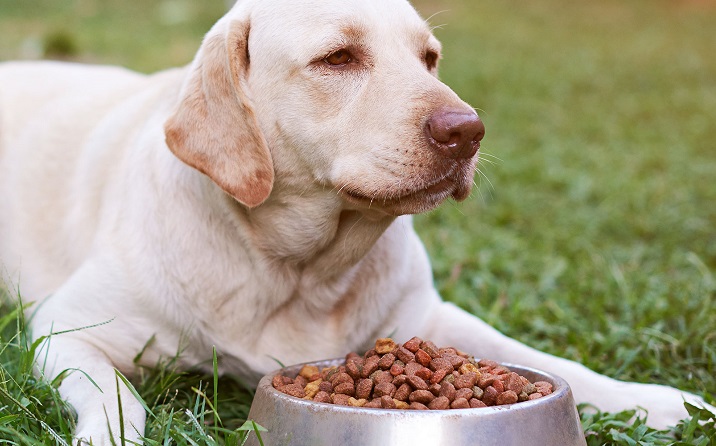
Stomach Sensitivities
Stomach sensitivities in dogs are often caused by food intolerances. If your dog is regularly experiencing diarrhoea, vomiting and other stomach issues, take them in for a health check.
Healthy Pets Plus Membership Benefits

Consultations
- unlimited consultations

Nutrition
- 20% discount on pet food
- nutritional counselling and weight management

Pet Emergencies
- unlimited emergency consultations at participating emergency vets. Find them here

Health Screening Test
Annual health screening test, including:
- urine analysis
- wellness blood screen or pre-anaesthetic blood test
- heartworm test
- parasite faecal exam


