 Greencross Vets
 Skin cancer doesn’t just affect humans – it’s a serious concern for pets too. With Australia having one of the highest skin cancer rates globally, our dogs and cats are also at risk.
Our comprehensive guide below covers potential risk factors for your pet, signs and symptoms, as well as prevention tips, so you can keep your fur family sun safe.
What Is Skin Cancer In Pets?
Skin cancer refers to the uncontrolled growth of abnormal skin cells. In pets, it can range from benign lumps to aggressive, cancerous tumours. Early detection is key to effective treatment.
How Common Is Skin Cancer in Dogs and Cats?
Skin cancer is one of the most common cancers in dogs. In cats, it’s slightly less common but still a major health concern, especially in sun-prone regions like Australia.
Risk Factors: Which Pets Are most Vulnerable to Skin Cancer?
Some of the pets most at risk include:
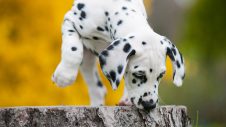
- Dogs with short or light-coloured fur, such as Bull Terriers, Dalmatians, and Staffies.
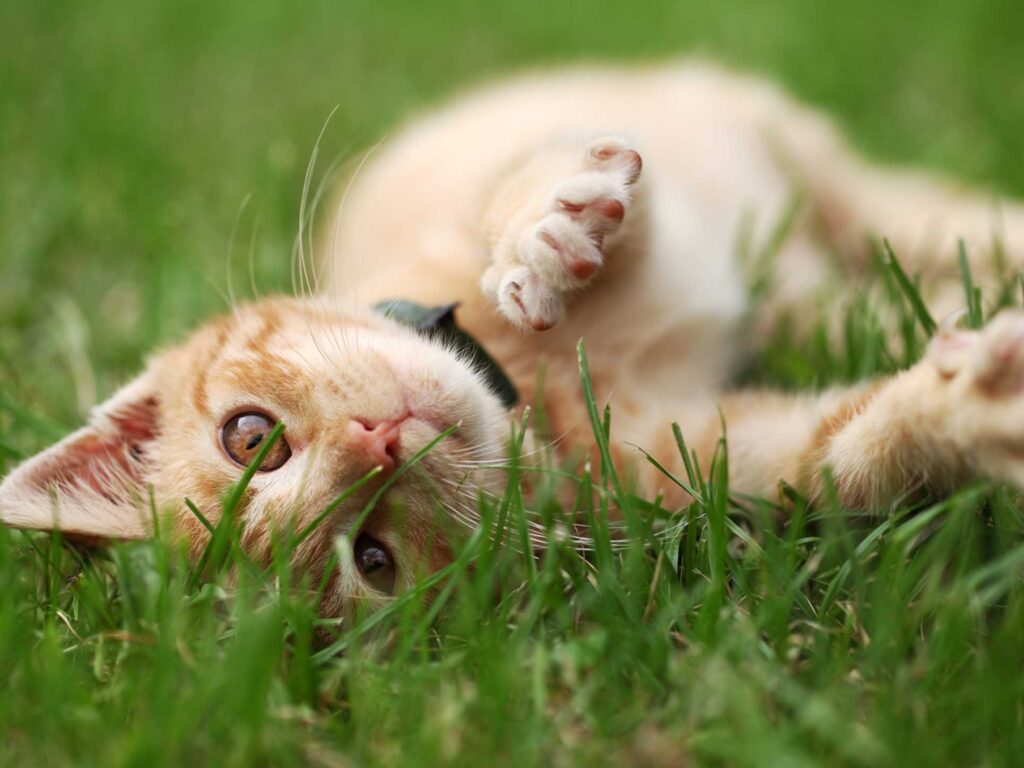
- Cats with white or ginger coats, especially those who spend time in direct sunlight. White cats are 18 times more likely to develop skin cancer, with ginger cats coming in a close second.
- Pets with chronic skin issues, like allergies or dermatitis also face an elevated risk as irritated skin can be more prone to developing cancers.
- Senior pets may also have increased risk due to long-term sun exposure.
What Does Skin Cancer Look Like in Dogs & Cats?
Just as you keep an eye on your own skin for any changes to moles or freckles, being just as attentive to your pet’s skin for any changes in appearance is crucial for early detection.
The signs of skin cancer will vary widely, but schedule a check-up with your veterinarian if you observe any of the following:
- New or Changing Lumps & Bumps: Any new growth, or an existing one that changes in size, shape, or colour. They can be firm or soft.
- Sores That Won’t Heal: Any scratch, scab, or ulcer that doesn’t heal within a month, regardless of its size.
- Wart-like Growths: Firm, raised blemishes that can sometimes have a rough, cauliflower-like surface.
- Discoloured Patches: Black or dark, pigmented patches on the skin, especially on the stomach or nail beds. They sometimes show as a simple sun spot or freckle.
- Irritated Skin Patches: Red, inflamed, or scaly areas that persist.
On dogs, signs will often appear on pink skin, particularly on their stomach or on the inside of their thighs.
On cats, skin cancers are usually on the face, with the most common areas being on their head, eyelids, ears, nose and the region in front of their ears.
If you observe any irregularities, please get in touch with your local Greencross Vets clinic.
Common Types of Skin Cancer in Dogs & Cats
There are several different types of skin cancers in dogs, and being aware of the most common ones can help you understand what your vet will be looking for.
1. Squamous Cell Carcinoma (SCC)
This type of cancer is typically associated with sun exposure, especially on thinly haired locations like the nose, ears, and belly. They can also develop SCC in the oral cavity. These typically look like a firm, raised, wart-like lump, or a sore/wound that won’t heal. Squamous cell carcinomas are more often locally invasive, invading the tissues around the tumour, and are less likely to spread to distant parts of the body.
2. Mast Cell Tumours (MCT)
Mast cell tumours are the most common type of skin cancer found in dogs. These cancers arise from mast cells, which are part of the immune system. They can appear anywhere on the body and can vary from small, soft lumps that have a fatty feel to red, inflamed, ulcerated masses. Because they can look so benign, they are also known as “the great pretenders.” There are many malignant types of mast cell tumour so early detection and treatment are very important.
3. Malignant Melanoma
While most dark spots on a dog’s skin are benign, malignant melanomas are a serious form of cancer that can be life-threatening. They often occur in the mouth, on the lips, around the nail beds, or on the pads of the feet. They appear as dark, raised lumps but can sometimes lack pigment. These tumours can be very aggressive and highly metastatic (a high potential to spread) to other organs.
4. Fibrosarcoma
These tumours originate in the connective tissue and often feel firm or rubbery under the skin. They tend to grow quickly and infiltrate surrounding tissues, making surgical removal more challenging.
How Vets Diagnose Skin Cancer
If your pet develops a lump, sore, or unusual skin change, your Greencross vet will begin by performing a thorough physical examination. We’ll ask questions about how long the lesion has been present, whether it’s changed in size or shape, and if your pet has been showing any signs of discomfort such as licking or scratching the area.
To accurately diagnose skin cancer, we may recommend further tests such as a fine needle aspiration (FNA) – a simple and minimally invasive procedure where a small sample of cells is collected for analysis. In some cases, a biopsy may be needed to determine the exact type and behaviour of the tumour. For more advanced or concerning cases, imaging such as X-rays or ultrasound may be used to check for internal spread.
Early diagnosis is key to achieving the best possible outcome. If you ever notice a new lump or skin change on your pet, it’s always best to have it checked by your Greencross Vet sooner rather than later.
Skin Cancer Treatment Options
If your pet is diagnosed with skin cancer, there are lots of effective treatments. The best one will depend on the type of cancer, where it is, and how big it is.
Surgical Removal
Surgical removal is the most common treatment. The aim is to take out the entire tumour along with an area of normal tissue around it (clean margins) so that no cancer remains behind.
Chemotherapy
If the cancer is aggressive or has spread (metastasized), chemotherapy may be recommended to treat cancer cells throughout the body.
Radiation Therapy
High-energy radiation is capable of killing those cancer cells that couldn’t be completely removed with surgery, or for tumours in areas of the body where surgery is difficult.
Your Greencross Vets team will explore the best course of action for your pet and refer you to a specialist veterinary oncologist if necessary.
Can You Prevent Skin Cancer in Dogs & Cats?
Yes, many skin cancers are preventable with proactive care.
Our Top Prevention Tips:
- Annual skin checks: When you book your annual skin check, make sure you book your pet in for theirs at the same time, as regular veterinary check-ups are essential for early detection.
- “Slip” – sun suits: Consider protective clothing, such as sunsuits or rash guards, especially for high-risk dogs like Staffies, Bull Terriers and Dalmatians.
- “Slop” – pet sunscreen: Apply pet-safe sunscreen on exposed areas like ears, nose, muzzle, and pink skin. For dogs, consistent application is effective, while it is not advised to use sun cream on cats due to their grooming habits.
- Monitor problematic freckles and scratches: Stay vigilant for changes in freckles or scratches. For high-risk breeds, limit their sun exposure between 10am and 2pm.
- Schedule Annual Skin Checks: Just as you get your own skin checked, book your pet in for an annual wellness exam where your vet can perform a thorough skin check.
When to See a Vet
If you spot any changes in your pet’s skin or simply want peace of mind, book a check-up with your local Greencross Vet today. Early action can make all the difference.