
 Greencross Vets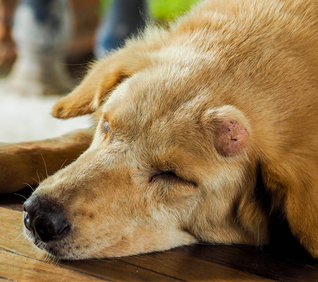
Finding a new lump or bump on your dog can be alarming. Your mind will probably jump to the worst scenario, but keep in mind that most of these lumps are harmless. However, because some can be serious, it’s worth having every new lump professionally evaluated. A watchful eye and a prompt visit to the vet are the best combination to ensure your dog stays happy and healthy.
Please don’t ignore lumps that you find on your pet. Whilst some will resolve on their own and are harmless, this is not always the case. It is recommended that you check your pet’s body on a regular basis. This will allow you to become more familiar with what’s normal and recognise any changes that occur.
This article will help you to learn more about the different types of lumps on dogs, symptoms to look out for, and what to expect when you bring your dog to your local Greencross Vet.
Checking for Lumps on Pets
You can check for lumps on your pet by running your fingers through their coat starting with the head, back, sides, chest, belly, and down the legs. If you feel something unusual, notice a new lump or notice that a lump has changed in size, shape and perhaps colour, we highly recommend that you have it looked at by your local Greencross Vets. Although some lumps may not cause a concern, some can be very dangerous if left untreated, and often they feel very similar!
Is the Lump on My Dog Cancerous? Benign vs. Malignant Lumps
You cannot determine whether a lump is malignant by touch or appearance. The first thing that your vet will do is to determine its nature, which falls into one of two categories:
Benign – Benign tumours will grow but they don’t spread to other parts of the body. While they are not cancerous, some of them will still be problematic depending on their location. If they grow large enough to restrict movement, cause pain, or interfere with your dog’s usual activity, they will have to be removed surgically.
Malignant – Malignant tumours are cancerous and more aggressive. They can grow bigger, invade other tissues around them, and spread (metastasise) around the body to affect major organs like the lungs and the liver. Malignant tumours must be diagnosed and treated as early as possible in order to give your dog its best chance of a successful outcome.
Dog Cyst vs. Tumour: What’s the Difference?
While your vet is the only one who can provide a diagnosis, it’s helpful to understand the general difference. A cyst is a sac-like pocket of tissue that is typically filled with fluid, air, or a semi-solid material (like the keratin in a sebaceous cyst). A tumour, on the other hand, is a solid mass of abnormal cells. Tumours are as either benign (non-cancerous) or malignant (cancerous).
When To See a Vet About a Lump on Your Dog
Although all new lumps should be checked out, you should book an appointment with your vet immediately if you notice any of the following changes:
- The lump is growing quickly.
- The lump has changed in colour, especially if it becomes black, purple, or red.
- It has an irregular shape or feels firmly attached to the skin or underlying tissue.
- The lump is ulcerated, weeping, bleeding, or has a discharge.
- Your dog seems to be bothered by it (licking, chewing, or scratching the area).
- You notice other signs of illness, such as weight loss, a change in appetite, or lethargy.
Common Benign (Non-Cancerous) Lumps on Dogs
Lipomas (Fatty Tumours)
Lipomas are probably the most common lump found on dogs and are most commonly seen in middle-aged and senior dogs. The exact cause isn’t fully known, but they are also more common in certain breeds and overweight dogs.
What do they feel like? These are benign tumours composed of fat cells that usually feel like soft, movable, and slightly squishy bumps under the skin (much like many other types of lump!). They develop very slowly and do not usually spread. Though they can appear almost anywhere, they often occur on the chest, back, and abdomen. If they become very big or develop in an inconvenient place, like an armpit, they will need to be surgically removed to avoid being a nuisance.
In contrast, infiltrative lipomas are less common and invade surrounding tissues such as muscles, bones and nerves. Although still benign, infiltrative lipomas tend to grow faster than simple lipomas and have a higher recurrence rate.
Sebaceous Cysts
Usually found on the back and torso, these are tiny obstructed oil glands that create swellings with a creamy grey/white substance, like a pimple. Sometimes the cyst can become red or inflamed, but they usually do not cause problems. It must not be squeezed at home as this leads to irritation and infection. Your local Greencross vet will be able to diagnose these and recommend an appropriate treatment path.
Histiocytomas
Histiocytomas are round, raised pink/dark pink lumps that are usually found on young dogs, under three years old, and often appear on the head, ears, or legs. While they look concerning, they are a benign buildup of immune cells and usually go away on their own in about 2-3 months. It is strongly advised to have any lump examined by your vet to ensure the diagnosis, as though this type do often self resolve, they can appear very similar to other more aggressive tumours, like mast cell tumours, and they can become ulcerated and infected if knocked, licked or scratched excessively.
Papillomas (Warts)
Warts are most often a result of a canine papillomavirus and are more common in young dogs, with their immune systems still developing, but also in senior pets. This virus is highly contagious amongst dogs. They present as pink, fleshy and “cauliflower-like” in appearance (starting off as a small pink nodule) and may be irritating. They most commonly grow around the lips and gums, though can also grow under the paws. They can become infected and sore if they are traumatised or bitten. In some cases, they must be surgically removed, yet the majority will resolve on their own.
Skin Tags
Skin tags are harmless overgrowths of skin that are very common in older dogs. They look like a small tag of skin attached to the body by a stalk and often appear in areas where the skin rubs together. They do not require treatment unless they are in an area that makes them easily knocked, irritated frequently, become large or your dog is bothered by them.
Abscesses
An abscess is a, pus-filled swelling under the skin, often resulting from a, penetrating wound, which injects bacteria into the wound. This leads to a localised pocket of infection under the skin. They can appear quickly and are often warm to the touch and very painful. They can cause a fever and make dogs feel unwell. Abscesses always require treatment from your vet, which may involve drainage or flushing of the wound, and antibiotics.

Common Malignant (Cancerous) Lumps on Dogs
Mast Cell Tumours
Mast cell tumours are the most common type of skin cancer in dogs and can present in many different ways, sometimes even mimicking the look of benign lumps. Some breeds of dogs may be more commonly affected, such as boxers, but all breeds can get mast cell tumours. Because they can release histamine, they may appear to swell and shrink, similar to an allergic reaction. Mast cell tumours are potentially very serious, so early detection, diagnosis, and surgical removal are key.
Mammary Tumours (Breast Cancer)
While some mammary tumours in female dogs are not cancerous, others are amongst the most invasive forms of malignancy. Getting your female dog spayed greatly reduces the likelihood of developing mammary tumours, particularly if done before the first or second heat cycle. In male dogs, mammary tumours are rare but tend to have a higher chance of being malignant. In all cases, the tumours must be checked out by your vet.
Melanoma
Melanomas are tumours that arise from pigment-producing cells. They often appear as dark brown or black lumps but can also be pink. While many on the skin are benign, those that develop in the mouth, on the lips, or in the nail bed are often highly malignant and spread quickly.
Soft Tissue Sarcomas
This is a broad category of tumours, arising from connective tissues like muscle and fat. They can feel firm and attached or feel like a soft, moveable lump under the skin and are sometimes mistaken for a lipoma. These tumours are locally invasive, meaning they spread into surrounding tissues, which can make complete surgical removal challenging if not caught early.
Squamous Cell Carcinomas
These tumours often appear on areas of skin with little hair and light pigmentation that have had long-term sun exposure, such as the nose or belly. They can look like a firm, raised, irregular, and sometimes ulcerated sore. Early surgical removal is the most ideal outcome.
Biopsy is the best way to diagnose whether a lump is harmful or not. This involves putting a small needle into the affected area to collect cells or by sampling the lump while your pet is under anaesthetic. Once diagnosed, your vet will advise you of the best possible treatment.
How Your Vet Will Diagnose the Lump on Your Dog
You cannot tell whether a lump is cancerous just by looking at it. To get a definitive answer, your veterinarian will perform a thorough examination and recommend the most appropriate tests.
1. Physical Examination
Your vet will examine the lump and recommend the most appropriate testing moving forward. They will note its size, shape, location, and texture, and check if it’s moveable or adhered. They will also examine your dog general health and see if there are any other growths, lumps or other health issues.
2. Fine Needle Aspiration (FNA)
Often the first diagnostic step, an FNA involves putting a small, thin needle into the lump to collect a sample of cells. The cels are then placed on a microscope slide and examined. This quick and minimally invasive procedure can often identify the lump type, including lipomas and mast cell tumours, but can not determine a mass’s malignancy.
3. Biopsy
Biopsy is the best way to diagnose whether a lump is harmful or not. This involves surgically removing a small piece of the lump (an incisional biopsy) or the entire lump (an excisional biopsy) while your dog is under anaesthetic. The tissue is then sent to a lab where a pathologist will examine it to make a diagnosis and, in malignant lumps, its grade (how aggressive it is). The pathologist will also advise your veterinarian if the mass has been totally removed (often referred to as ‘getting clear margins’) if an excisional biopsy is performed. This is important in determining the likelihood of recurrence.
4. Further Testing for Malignant Lumps
If a lump is found to be malignant, your vet may need to make sure cancer hasn’t spread to other parts of your dog’s body. Radiographs (X-rays), ultrasounds, blood tests and other diagnostic investigations may be required.
Treatment Options for Dog Lumps
Monitoring
For small or slow-growing benign lumps (such as lipomas or skin tags) which are not causing any issues, the most common recommendation is to monitor them for any change in size or shape. It is important and helpful to make notes and/or take photos intermittently of lumps at home, to help better gauge how fast they are growing and monitor for changes.
Surgical Removal
Surgical removal is the most common form of treatment. For malignant lumps, your vet will remove the tumour along with a wide margin of nearby healthy-appearing tissue to ensure all cancer cells have been eliminated. Even for benign lumps, they may be removed if they are in a spot where they bother your dog or interfere with movement.
Chemotherapy and Radiation Therapy
For certain types of malignant cancers, or if the cancer has spread, your vet may refer you to a specialist for further treatment like chemotherapy or radiation therapy. These treatments are used to target and kill any remaining cancer cells in the body.
A Final Word on Lumps and Bumps…
A watchful eye is rewarded. Noticing changes in your dog’s health, including the appearance of lumps and bumps, can lead to early diagnosis and more successful treatment. Always check with your Greencross Vet if you notice any changes, or if you have any concerns about your dog’s wellbeing.
Ready to get that lump checked? Book an appointment with your local Greencross Vet today.
Other related pages:
 A Guide to Skin Cancer in Pets: Types, Signs, and Treatment
 Mammary Gland Tumours in Pets
 Hyperadrenocorticoidism (Cushing’s Disease)
 Prostatic Disease
 A Guide to Allergy Testing for Pets
 Why Dogs Lick Their Paws: Causes, Risks, & Prevention
 Desexing Recovery & Aftercare for Dogs & Cats: The Complete Guide
 Diarrhoea in Dogs: The Complete Guide | Greencross Vets