Greencross Vets
Have you ever noticed black spots or bumps on your cat’s chin? You’re not alone. Your cat could be affected by a condition known as feline (cat) acne. While it may look concerning at first, in majority of cases it is typically not serious. Feline acne is a specific skin condition that affects the chin and nearby surrounding areas such as the lips.

What is Cat Acne?
Feline acne is a common skin condition that can look worrying but is often manageable. It usually starts with small black spots (blackheads) on your cat’s chin or lips. This occurs due to blocked or clogged hair follicles. In some cases, it can progress to red bumps, pimples, swelling, crusting, and in some more severe cases, deeper infections that may be uncomfortable or painful for your cat.
What Does Cat Acne Look Like?
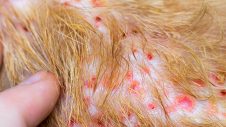
In its early or mild form cat acne just looks like small black dots on your cat’s chin, easily confused with dirt. As it worsens to a more moderate form, you will see multiple blackheads on the chin; it will start to look red and larger bumps will appear. When the acne has progressed to a severe stage, the whole chin can look inflamed and swollen with pustules or white heads appearing as well as scabs, and the hair may fall out in patches.
Cat acne is most commonly seen on the chin, but it can also spread to the upper and lower lips and around the mouth. Particularly in the early stage it is easily confused with flea dirt [the faeces of fleas] and remnants of your cat’s meal.
What Causes Cat Acne?
This condition can affect cats of any age, breed, or gender. The exact cause isn’t fully understood, but several factors may play a role. These can include genetics, reduced or poor grooming (especially in areas that are harder for cats to clean), overproduction of skin oils or abnormal production of sebum, stress, underlying health or skin issues (such as infection), allergies or sensitive skin. Some cats can react to plastic food bowls which cause the chin to become irritated, leading to acne signs. Cats with weakened immune systems may be more prone to developing it.
In some cases, bacteria or yeast can infect the affected area, which can make the condition worse and require additional treatment. It is also important to note that it is not contagious or caused by dirty environments.
The good news is that with proper care and early management, feline acne is usually easy to control and keep your cat comfortable.
Is Cat Acne Dangerous or Serious?
Most cases seen are in the early stages, are not serious, and usually will not bother your cat. In some cases, the affected area will become infected with bacteria and when it has been present for a long time or keeps coming back, then treatment will be needed. Sometimes also your cat will scratch the affected area, making things significantly worse.
Long term complications which can occur include cellulitis (where the tissue under the skin becomes infected), permanent scarring, and lasting discomfort. These complications will all need to be treated.
Is Cat Acne Itchy or Painful?
As mentioned previously, there is usually no discomfort associated with mild forms of acne. With more serious cases though the affected area can become itchy and painful, especially when there is an infection present.
Some of the signs to look out for include excessive rubbing of the chin, scratching the face, unusual sensitivity to touch and behavioural changes such as hiding, lethargy and reduced appetite.
How to Treat Cat Acne at Home
Home treatment should only be tried for the mild cases we have mentioned.
A daily cleansing routine can be quite helpful if your cat allows it. This can include starting with a warm compress applied for 2-3 minutes – this will feel nice for your cat and allows for cleansing to be more effective. Diluted chlorhexidine or iodine, or cat-safe wipes can then be gently applied, followed by patting the affected area dry, before applying a topical product which can be supplied by your vet.
It is really important to NOT use human products you may have at home such as acne formulations, tea tree oil, hydrogen peroxide, or alcohol. Most of these are very irritating to a cat’s skin and potentially make things a lot worse. When using Chlorhexidine, we need to be careful not to get it in the mouth or leave it on the skin to be groomed off later.
If your cat has plastic bowls, replace them with stainless steel, glass, or ceramic bowls. Wash them daily and keep their feeding area clean.
If you think that your cat could be stressed for any reason, you should seek advice about this from your vet, as this can be a contributing factor towards the development of acne.
A reminder that these recommendations are for mild cases only, and if there is no improvement within 1-2 weeks or if the acne is worsening before then you should see your vet.
Veterinary Treatment Options
When To See a Vet
In early or mild cases, home treatment can be started as outlined above. However, if there is little to no improvement within 1–2 weeks or if symptoms worsen at any point, a visit with your cat’s veterinarian is recommended.
Additionally, if symptoms initially improve but then return, or if they persist for longer than two weeks, a veterinary consultation is required.
Ongoing monitoring for signs that would necessitate a vet visit include swelling, crusting, discharge, or any pain or discomfort when the area is touched, changes to appetite, lethargy or reduced appetite.
Diagnostic approach
Your veterinarian will perform a thorough physical examination and assessment of your pet. Additional tests may be recommended to rule out other conditions or identify any factors that could help with treatment.
These may include a tape preparation to look for bacteria, skin scraping to check for mites, a fungal culture to test for ringworm, a food trial if an allergy is suspected or a bacterial culture and biopsy in more severe or recurrent cases.
Treatment options
Your veterinarian may prescribe a range of treatments depending on the underlying cause. These can include topical medications (applied directly to the skin) such as antibacterial lotions, medicated shampoos, or antibacterial washes.
If an infection is present, oral antibiotics may be required. In cases with significant inflammation, anti-inflammatory medications may also be prescribed.
Dietary changes can play an important role particularly if an allergy is suspected. This may involve a specific prescription low allergen diet or foods formulated to support skin health. Omega-3 supplements may also be recommended to help improve skin condition.
Speak to your local Greencross Vet for comprehensive assessments and customised treatment plans.
Prevention Strategies
Simple changes, such as using stainless steel, ceramic or glass bowls (rather than plastic), can help reduce the risk of infection. These materials are non-porous, making them easier to clean and less likely to harbour bacteria. Plastic bowls, on the other hand, are more prone to retaining bacteria, which can contribute to infections developing.
Keeping the feeding area clean and gently wiping your cat’s chin after meals or drinking can also help keep the skin clean and dry.
Working closely with your veterinarian to identify and manage any underlying health conditions that may contribute to the condition is important. This may include conditions such as skin allergies, dental disease, anxiety, or stress. If your cat experiences recurring issues, regular veterinary checkups are recommended to assess response to treatment. Consistency with care and management is key.
Cat Acne vs Other Chin Conditions
As outlined above, it is important to visit your veterinarian if symptoms are not improving, are worsening or continuing to recur. Many skin conditions can appear similar, so an accurate diagnosis is essential to ensure appropriate treatment.
Conditions that may present in a similar way include bacterial or fungal infections, ringworm (which can appear as circular patches with redness, crusting and hair loss), allergic dermatitis (inflammation of the skin that may affect multiple areas), eosinophilic granuloma complex and skin tumours or masses, which may vary in appearance.
Frequently Asked Questions
- Is cat acne contagious to other cats/humans?
No, cat acne is not contagious between other cats, dogs, or humans. If multiple cats in a household are affected, an environmental factor may be contributing (for example, plastic or dirty water bowls).
- Can kissing my cat cause acne on me?
No. Cat acne is not contagious between cats and humans.
- Is cat acne common?
Yes. Cat acne is common among the cat population.
- Will cat acne go away on own?
Very mild cases may resolve on their own; however, most do require some modification to the home environment or veterinary treatment to help resolve symptoms.
- What are the black dots on my cat’s chin?
The black dots seen on your cat’s chin are due to blockage of the follicles and excess build-up of sebum and oils- much like blackheads seen in humans
Feline acne is a common yet manageable condition. Mild cases can respond well to home care measures. Worsening, recurrent or more severe cases warrant a veterinary examination. Your Greencross veterinarian can help diagnose and create a personalised treatment plan for your pet.
This article was written by Dr Ashlinn O’Keeffe BVSc, and Dr Mark Gamble BVSc,

Healthy Pets Plus is a proactive, preventative wellness plans for cats and dogs at every life stage designed by Greencross Vets.
Members enjoy all standard vet consults, vaccinations as recommended by your vet, discounts on desexing and dental, wellness checks, and emergency consultations (at participating sites across the Animal Referral and Emergency Network).
Terms and exclusions apply.