Greencross Vets
Keeping your dog’s teeth clean means fresh-smelling breath, but it’s also a big part of their overall health and well-being. As with humans, dogs are prone to dental issues like plaque, tartar and gum disease if their teeth aren’t cared for properly. Thankfully, with the right routine and a few handy tools, you can help keep your pup’s smile healthy and bright for their whole life.
Why Cleaning Your Dog’s Teeth Matters
Brushing your dog’s teeth is incredibly easy and the best way to practise good dental health and prevent dental disease in pets. Without regular cleaning, plaque will build up quickly, harden into tartar and potentially cause inflammation of the gums (gingivitis), tooth decay, bad breath and even tooth loss. More seriously, untreated dental disease can cause dangerous infections that spread to the heart, liver, kidneys and more.
Professional dental cleanings at the vet and dental chews can make oral health easier, but brushing is still the gold standard for daily prevention. While chews and toys can help scrape plaque off your dog’s teeth, they don’t replace the need for brushing, especially at the gumline where plaque builds most.
How Often Should You Brush Your Dog’s Teeth?
Veterinarians recommend brushing your dog’s teeth daily. Yes, it might sound ambitious, but even brushing a few times a week is beneficial and far better than doing nothing at all. As with all things, the key is consistency. The more often you brush, the more you get rid of the buildup of harmful plaque and tartar.
Start the habit when your dog is a puppy, if possible. Dogs who are familiar with tooth brushing early on are much more likely to tolerate or even enjoy it later in life. Need help getting started? Check out our guide to puppy teething to start dental care early.
What Can I Brush My Dog’s Teeth With?
Toothbrushes for Dogs
There are lots of different options for dog toothbrushes:
- Dog-specific toothbrushes: These have angled handles and soft bristles perfect for canine mouths.
- Toddler toothbrushes: A good option for small breeds.
- Finger toothbrushes: These slip over your finger for more control and comfort, especially helpful for pets new to brushing.
Toothpaste for Dogs
Never use human toothpaste – it contains ingredients like xylitol that are toxic to dogs. Instead, choose a vet-approved, pet-safe toothpaste with dog-friendly flavours like chicken or beef.
For dogs reluctant to have their teeth brushed, let them lick the toothpaste to help build a more positive association. With time and patience, most dogs will adjust to the brushing routine just fine.
How to Brush Your Dog’s Teeth
- Get your dog comfortable: Choose a quiet, calm time and gently handle their mouth before bringing out the toothbrush.
- Let them taste the toothpaste: Let your dog lick a small amount from your finger to get used to the flavour.
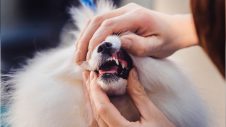
- Lift their lips: Gently expose the teeth and gums.
- Use small circular motions: Brush along the outer surfaces of the teeth and especially on the gumline.
- Start slow: Short sessions work best at first. Then you can gradually increase the length of time as your dog gets more comfortable.
- Reward your dog: Praise and reward them after brushing to make it a positive experience.
Natural Ways to Support Dog Dental Health
While brushing is best, here are some other preventative dental care tips to help keep your dog’s teeth clean:
- Dental chews: Great for getting rid of plaque through their natural chewing action.
- Chew toys: Rubber or dental-safe bones can help scrape off plaque.
- Water additives: Add them to their drinking water to help reduce bacteria and freshen their breath.
- Dental diets: Some vet-recommended pet foods are formulated for better oral health.
- Dental wipes: A useful alternative if brushing isn’t an option.
When to See a Vet for a Dental Check-Up
If your dog shows signs of dental problems, it’s time to book a vet appointment. Watch out for:
- Red or bleeding gums.
- Ongoing bad breath.
- Difficulty chewing or dropping food.
- Loose, cracked or discoloured teeth.
- Excessive drooling.
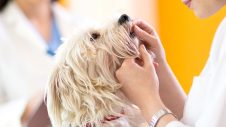
An annual dental check-up with your vet is the best way to catch early signs of dental disease. Some pets might need professional dental cleaning under anaesthesia to fully remove hardened tartar and check over the teeth and gums.
Book a Dog Dental Check Today
With daily brushing, supportive dental products and regular vet check-ups, you can help your furry friend have a healthy mouth for life. Book your dog in for a dental health check at your local Greencross Vets clinic today.