 Greencross Vets
  Kennel Cough in Dogs: Causes, Signs & Treatment
What is Kennel Cough?
Kennel cough (also known as canine cough) is a contagious upper respiratory infection in dogs caused by several different highly infectious bacteria and viruses, most commonly Bordetella bronchiseptica. It is named due to its primary symptom being a persistent dry hacking or honking cough, and spreads easily in any places where dogs interact, including:
- Dog parks
- Daycare centres
- Groomers
- Boarding kennels
- Obedience classes
How Do Dogs Get Kennel Cough?
Kennel cough spreads through the air via coughing or sneezing, and by contact with contaminated surfaces such as food bowls, toys, and even human hands or clothing.
Greencross Vet Dr Daniel van Geuns says it can be hard to pinpoint the source of the infection, as it can take anywhere from 3-10 days before dogs start showing symptoms.
Once you notice your pet is unwell, be sure to keep them away from others. That means no trips to puppy school, the dog park, or groomer.
“Canine cough is highly contagious. Infected pets should be separated until the disease has resolved.“ Dr van Geuns says.
Signs and Symptoms of Kennel Cough
The most common kennel cough symptoms include:
- Dry, hacking cough (may sound like gagging or honking)
- Sneezing or snorting
- Eye and nasal discharge
- Lethargy and fever
- Occasional gagging or retching after excitement or eating
Symptoms typically appear 3 to 10 days after exposure.
What Does Kennel Cough Sound Like?
It often resembles a goose honk or a persistent dry cough that may end in gagging.
Is Kennel Cough Dangerous?
For most healthy adult dogs, kennel cough is mild and resolves in 1-3 weeks. However, it can develop into pneumonia or chronic bronchitis, particularly in puppies, elderly dogs and dogs with underlying health issues.
The symptoms of canine cough can be distressing for dogs and for you as a pet parent. If your dog is coughing excessively, struggling to breathe, or becomes very lethargic, contact your local Greencross Vet immediately.
Kennel Cough in Puppies
Kennel cough in puppies can be more serious due to their immature immune systems. If your puppy shows signs like a persistent cough or loss of appetite, contact your Greencross Vet as soon as possible. Whilst vaccination is not 100% effective, it does help reduce the severity of symptoms, so we encourage all puppies to have their vaccinations as soon as possible.
Kennel Cough Prevention & Vaccine Options
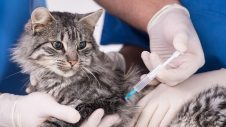
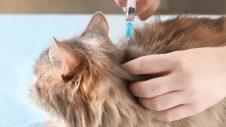
Like most of the diseases we vaccinate for, canine cough is not as common as it used to be. We are able to vaccinate against two of the main pathogens responsible for canine cough: Parainfluenza virus and Bordetella bronchiseptica. A vaccine is now available which allows the vet to administer the vaccine into either a dog’s mouth or nose using an applicator (instead of a needle). These routes of vaccination allow us to administer the vaccine directly to the areas which are going to be exposed to the disease, providing a better immune response and more rapid onset of protection. Injectable vaccines are also available.
Once a puppy has their initial course of vaccinations, kennel cough can be boosted annually by either the intranasal vaccine or an injectable dose. This is normally combined with distemper, hepatitis, and parvovirus vaccinations (to form a “C5 Vaccination”.)
If your dog has had kennel cough before or is at higher risk, we may recommend a strategic booster 2 weeks before exposure (e.g. before entering kennels or daycare).
How to Treat Kennel Cough in Dogs
The treatment for kennel cough in dogs depends on the severity of symptoms, your dog’s overall health, and whether the infection is viral, bacterial, or a mix of both. Most dogs recover on their own, but veterinary care can help manage symptoms and prevent complications.
For otherwise healthy dogs, kennel cough often resolves within 1–3 weeks with supportive care:
- Rest: Keep your dog calm and limit exercise to avoid triggering coughing fits.
- Hydration: Ensure your dog drinks plenty of water to soothe the throat and stay hydrated.
- Avoid irritants: Keep your dog away from smoke, strong fragrances, or dusty environments.
- Isolation: Prevent spread to other dogs by limiting contact while your dog is contagious (usually for up to 2-3 weeks).
If symptoms are more persistent, your Greencross Vet may recommend or prescribe:
- Cough suppressants – to reduce irritation and improve sleep
- Anti-inflammatories – to reduce throat inflammation
- Antibiotics – if a bacterial infection is suspected
- Bronchodilators – to help open the airways in more severe cases
- Bronchodilators – to help open the airways in more severe cases
Treatment aims to reduce discomfort and prevent secondary infections such as pneumonia. More severe cases may require hospitalisation.
Ongoing Management & Recovery
Recovery typically takes 10 to 14 days, but your dog may need longer to regain full energy. During this period:
- Avoid contact with other dogs, especially dog parks, grooming salons, or daycare
- Follow your vet’s instructions regarding medications
- Revisit your veterinarian if the cough persists or worsens
Protect Your Dog with Greencross Vets
Whether you need a kennel cough vaccination, booster, or treatment, the Greencross Vets team is here to help. Our friendly veterinary teams across Australia can assess your dog’s risk and recommend the right protection.
Find your nearest Greencross Vet or call us today to book a vaccination or consultation.
Kennel Cough FAQs
Is kennel cough contagious to humans?
Rarely. It’s extremely uncommon but may pose a risk to immunocompromised individuals.
Can cats get kennel cough?
It’s very rare but possible. Cats can occasionally contract Bordetella bronchiseptica.
How is kennel cough spread?
Through airborne droplets, direct contact, and shared items such as toys and food and water bowls.
When should I worry about kennel cough?
If your dog has trouble breathing, won’t eat, is very lethargic, or the cough worsens, see your Greencross Vet immediately.
How long does kennel cough last?
Most dogs recover in 7 to 14 days, but they may remain contagious for up to 3 weeks.