 Greencross Vets
 Caring For Your Pet After Surgery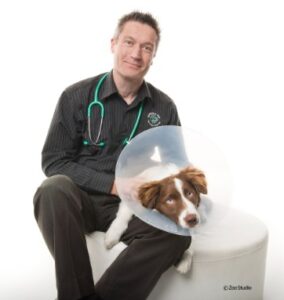
This guide is here to answer your most common questions and provide clear, step-by-step advice to ensure your furry pal recovers as quickly and comfortably as possible.
The First 24 Hours: What to Expect Immediately After Surgery
Why is my pet so sleepy or groggy?
To ensure full comfort during surgery your pet has been given a general anaesthetic and/or sedative. They have also been given pain relief to aid any soreness after surgery, particularly for sterilisations.
The anaesthetic is likely to have been administered through an intravenous injection in the front leg (you may notice a clipped area on the foreleg) and/or by gas through a special tube in the windpipe. Occasionally this tube causes some irritation, which results in a mild cough following surgery. This usually clears up within 24 hours. If it continues we ask you to please contact your veterinary care team.
The general anaesthetic and/or sedative can take some time to be processed by the body, causing patients to appear drowsy for a day or so. Over the next couple of days, their behaviour should return to normal. If you are concerned at any time please call your local Greencross Vets team.
Why is my dog shaking or crying?
Shaking, whimpering, or seeming disoriented are common side effects as the anaesthesia wears off. This is sometimes called dysphoria and is not always a sign of pain, but rather of confusion as your pet wakes up.
Provide a quiet, warm, and comfortable space for them to rest. However, if these signs are severe or continue for more than 24 hours, please contact us.
Feeding and Drinking After Surgery
What can I feed my dog or cat after surgery?
Usually your veterinary team will offer food to your pet once they are in recovery, after their procedure.
Once home we suggest offering a ‘half’ portion at the next mealtime, as your pet may not feel like eating a complete meal. If they do eat well, and have no signs of vomiting after an hour, you can offer the remaining half of their meal. Ensure there is plenty of fresh water available at all times.
What if my dog or cat is not eating or drinking after surgery?
It’s normal for a pet to have a reduced appetite for the first 12-24 hours. If your pet refuses their first meal, don’t worry. Remove the food and try again in a few hours. However, if your pet has not eaten anything after 24 hours or is not drinking water, you should contact your vet for advice.
Wound Care
How do I care for my pets’ wounds?
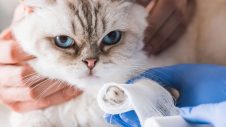
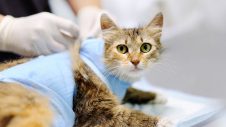
During the postoperative period (approximately 10 to 14 days) please check the wound daily. The wound needs to be kept clean and dry.Bandages need to be checked daily to ensure they are dry & have no odour.
Don’t bathe your pet or let them swim. Also check the wound for excessive swelling, discharge, gaping or self-inflicted damage. If you have any concerns please contact our healthcare team.
If your veterinarian has inserted a drain into the surgery site, you will notice that it may ooze over the next few days. This is normal and has been placed to encourage the movement of fluid away from the surgery site. If a wound or drain looks dirty, only use salty water to clean unless instructed otherwise by your vet.
How do I stop my pet from licking the stitches?
If your pet has stitches and they are allowed to they may chew or lick them, often the wound will become infected and/or the sutures /stitches will become loose or fall out, resulting in the need for further surgery. There are a number of ways to deter licking and chewing. These include:
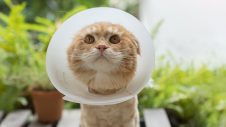
- The Elizabethan Collar ( Head Cone): We will often recommend an Elizabethan collar. Most pets will learn to eat, sleep and be their normal selves after a day or so, and a few days of persisting with a collar can reduce the risk of serious self-injury.
- Dog Surgery Recovery Suits: For many dogs, a surgical recovery suit or pet recovery suit can be a comfortable and effective alternative to a cone. These bodysuits cover the wound, preventing licking while allowing for more freedom of movement. Just consult our healthcare team for the right product for your pet.
How long after surgery can I wash my dog or cat?
You should not bathe your pet or let them swim for at least 10-14 days after surgery, or until your vet has confirmed the wound is fully healed at the post-op checkup. Getting the incision wet can introduce bacteria and delay healing.
Comfort, Calm and Activity Levels
Your pet has been given pain relief to help reduce any discomfort after surgery. The best way to comfort them is to provide a soft, warm bed in a quiet room away from household traffic. Speak to them in a calm and soothing voice. If you believe your pet is in significant pain despite their medication, please call us.
How can I keep an energetic dog calm after surgery?
Keeping a high-energy dog calm post-surgery can be a challenge. Replace long walks with short, slow leash walks for toilet breaks only, and consider using puzzle toys, snuffle mats, and chews to provide mental stimulation without physical exertion. This will help them stay occupied and ensure they are less likely to get bored and restless.
Something Not Right? When to Call the Vet
If you have any doubt about the health of your pet following surgery, please contact our hospital immediately to speak to one of our healthcare team. Signs you may see that can indicate problems include:
- extensive lethargy (particularly after 24 hours)
- vomiting
- excessive redness around the surgery site
- swelling or lumpiness around the surgery site
- bleeding or discharge from the wound.
- continuous licking
- odour from bandage site
More on Pet Surgery
Your pet’s health journey doesn’t start or end with a single procedure. Explore our other guides to learn more about the entire surgical process, from preparation to specialised recovery.
- Before Surgery Care Guide: Learn the essential steps to take at home before your pet’s big day, from feeding instructions to what to expect on arrival.
- Our Surgical Services: Explore the wide range of surgical procedures we offer and learn about our commitment to providing the highest standard of veterinary care for your pet.
- Dental Surgery Aftercare: Caring for your pet after a dental procedure requires special attention. Find specific advice on feeding, pain management, and oral hygiene during their recovery.
- Orthopaedic Surgery for Pets: From fracture repairs to joint surgery, get detailed information on our specialised orthopaedic procedures and what the complex recovery process involves.