 Greencross Vets
 Preparing your pet for surgery
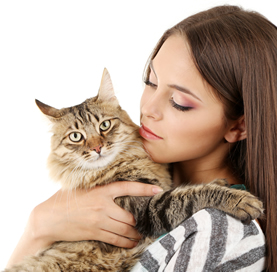
Preparing your pet for surgery can be a worrying time. Whether your pet is having a routine surgical procedure or a more complex pet surgery, it is natural to feel anxious. Rest assured that when your pet is in our care they are treated as if one of our very own.
Your pre-surgery checklist: What to do at home
To ensure the safest possible procedure for your pet, please follow these essential steps at home.
- Fasting
Your pet will need to be fasted (no food allowed) prior to surgery, as an empty stomach is crucial in preventing life threatening complications while under anaesthesia.
Your veterinary team will advise you when to commence fasting – often between 8pm and midnight the night before the procedure.
- Remove water in the morning:
You can leave their water bowl out overnight, but you will need to remove it first thing on the morning of the surgery. - Bathe in AdvanceYour pet will not be able to have a bath for at least 10 days after a sterile surgery to allow the incision to heal. If your pet requires bathing, we recommend that it be done a day or two before surgery.
- Check Vaccinations are Current
For the protection of all patients in our hospital, we encourage all visiting pets to be up-to-date with their vaccinations.
- Medications
Please bring a list of all medications and supplements you are giving your pet with you to the appointment. It is important that your veterinarian is aware of these, so that they can be considered when choosing anaesthesia and postoperative medications.
What Happens on the Day of Surgery
At Greencross Vets, we understand and value the bond between you and your pet and are committed to providing the best in veterinary care. To ensure we provide these standards of care, our team will ensure the following for your pet’s procedure.
Intravenous Fluids for Safety
It is advised that every pet undergoing a general anaesthetic and surgical procedure at Greencross Vets is given intravenous fluids. This will help maintain your pet’s blood pressure during the procedure and support vital organ function. This means a safer anaesthetic and a smoother recovery.
Pain relief
Good pain relief is crucial to the physical and mental recovery of your pet from surgical procedures. It is provided to all pets following a surgical procedure. In most cases, we will also provide take-home medication so your pet can continue to recover comfortably at home.
Tailored anaesthesia
Before surgery, your veterinarian will tailor an individual anaesthetic program for your pet based on their age, breed, and current health status. We also use specialised equipment to monitor your pet during surgery.
Before and after surgery monitoring
The Greencross Vets dedicated nursing team will monitor your pet’s surgery before, during and after the procedure. You can have peace of mind that your pet is under the watchful eye of caring professionals.
Common Questions About Pet Surgery
Can my dog or cat have water before surgery?
No they can’t. While they can have water overnight, you should remove their water bowl first thing on the morning of the procedure. As with fasting, this is a critical safety measure to prevent aspiration while under anaesthesia.
How long does sedation last in dogs and cats?
Every pet recovers from anaesthesia differently, depending on their age, health, and the length of the procedure. It is normal for your pet to be quiet and groggy for 12 to 24 hours after coming home. Our team will monitor them closely as they wake up at the clinic, and they will only be cleared to go home once they are stable and comfortable.
Why does my pet need a pre-anaesthetic blood test?
Unlike humans, pets cannot always tell us when they feel unwell and often hide illness. To better assess your pet’s overall health and ensure there are no underlying problems, it is necessary to perform a blood test prior to anaesthesia. This test examines major organ function, like the liver and kidneys, as well as checking for anaemia & platelet levels (important for blood clotting). If the test results are normal, we can proceed with confidence. If results reveal any underlying concerns, we may alter the anaesthetic procedure or postpone it to address these concerns.
Should I stay home with my pet after surgery?
Generally, pets make a speedy recovery after routine procedures, so staying at home with them is not necessary (as long as they have somewhere warm, comfortable, and clean to rest). However, if you are considering making special plans to be with your pet, we suggest you take the day off after surgery rather than the day of surgery.
Your pet’s admission and care on the day
When you first arrive at the clinic we will ask you to complete an admission form which includes contact phone numbers as well as relevant information about your pet. If your pet has recently been unwell it is important that you share this information with us.
Depending on the type of surgery being undertaken, you may also need to see one of our veterinarians to review information about your pet’s health.
Once your pet has been admitted, we will perform a health check-up and administer a sedative to help your pet relax. An anaesthetic agent will be administered and a veterinary nurse will constantly monitor your pet’s vital signs right through to recovery. It will be necessary to clip your pet’s hair around the surgery area to ensure appropriate surgical sterility, reducing the risk of postoperative infections.
After the surgery, your pet will recover on a warm and fluffy bed, and a small meal will be offered. Our veterinary nurse will continue to monitor recovery and give your pet the attention (and cuddles) they deserve.
Picking your pet up after surgery
Our team will explain how to take care of your friend at home and provide you with information on caring for your pet after surgery.
If you have any questions in the lead up to your dog being admitted for surgery, contact your local Greencross Vets team. We’d be happy to provide you with more information about your dog’s surgery and what the day will entail.