 Greencross Vets
 When your dog or cat is facing a bone or joint issue, the term ‘orthopaedic surgery’ can sound intimidating. At Greencross Vets, our highly skilled veterinary teams are equipped with the training and technology needed for these specialised procedures. This guide will walk you through what orthopaedic surgery is, why your pet might need it, what to expect on the day and how to navigate the recovery process.
What is Orthopaedic Surgery?
Orthopaedic surgery is the surgical correction of any form of bone defect. Most orthopaedic surgery involves some amount of soft tissue surgery as most bones are covered by degrees of soft tissue such as muscles, tendons, skin or ligaments.
Common Reasons for Orthopaedic Surgery
An orthopedic veterinarian may recommend surgery for two main reasons: a traumatic injury or a degenerative joint problem.
Fracture Repairs
Repairing a broken bone after a traumatic incident is one of the most common reasons for orthopaedic surgery. The goal is to realign and stabilise the bone to ensure it heals correctly.
Joint and Ligament Problems
Many procedures involve correcting joint problems. This includes conditions like a luxating patella (dislocating kneecap) or repairing a ruptured cruciate ligament (often called an ACL tear in dogs), a very common injury that causes instability and pain in the knee joint.
What Happens on The Day of the Surgery
Admission and Pre-Surgery Checks
Most pets will need to come into the clinic on the morning of the surgery. After filling out a hospital admission form, one of our dedicated team will admit them to the hospital ward. You are more than welcome to go with our staff to help them settle in although with all the new sights & sounds most pets are too excited to be worried. After a pre-anaesthetic examination by the surgeon, an intravenous catheter is placed and blood may be taken if the vet has recommended blood tests.
Sedation is usually administered prior to surgery to help facilitate a smooth & gentle transition to general anaesthesia.
Click here for more information on pre-surgery information.
What Happens During Surgery?
When the pet is ready for surgery, general anaesthesia is commenced via an intravenous injection and an inhalational gas through a tube placed in the windpipe. During the procedure, our team of dedicated nursing staff will monitor your pet’s anaesthesia closely. Some animals may need nerve blocks, such as epidurals, which are generally administered under general anaesthetic prior to surgery starting. These help with pain relief during and after the surgical procedure. Intravenous fluids are also administered prior to and during the surgery to help hydrate your pet & maintain their blood pressure.
Recovery in the Clinic
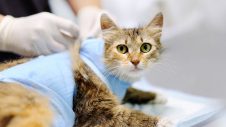
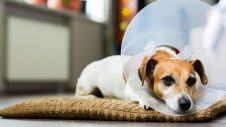
During recovery, your pet is consistently monitored by our team of well-trained nurses to ensure they are clean, dry, warm and settled. If a bandage has been applied the nurses will monitor your pet to ensure that they adjust to it & don’t lick or chew at it or their sutures. If this is the case, or if you have doubts about being able to stop them licking or chewing we will place an Elizabethan collar around their neck to stop this. These should be worn at all times, until your veterinary team advises removing it.
After Surgery: Recovery at Home
When can my pet go home?
Generally, after orthopaedic surgery, pets can typically go home once they are up, walking and their pain is well managed. If the surgeon has any concerns about the recovery of your pet they will opt for further hospitalisation overnight to monitor them closely.
What will I need to do once my pet is home?
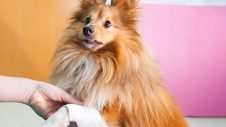
It is important to follow the discharge instructions given. Most pets need to be kept restricted for a period of time, (generally up to 6 weeks) depending on what surgery they have undergone. It is important to monitor the wound & contact your friendly team if you are at all worried. All medication (including pain relief) must be given to the end of its course & all recommended post-surgical checks must be followed. If your pet has a bandage, follow up checks will be required & the bandage may need to be replaced on a regular basis.
Follow-up X-rays
Post-operative x-rays generally will be required 6-8 weeks after the surgery to check on the progress of the bone healing. It must be remembered that bone healing is a natural process and as such, there is normal variation in the speed of healing between animals. If you have any concerns don’t hesitate to contact your Greencross team.
You can find more information on Post Surgical Recommendations in our guide here.